If you’ve ever searched for a service like “plumber near me” or “electrician in [your city],” you’ve seen it — the Google Map Pack: three local businesses listed at the top of the search results, complete with reviews, locations, and click-to-call buttons.
It’s prime digital real estate.
But here’s the problem: Most business owners think you need to pay for ads to get there. That’s false.
In reality, it’s possible — and incredibly effective — to rank in the Map Pack organically using proven local SEO strategies.
At Map Ranking, we’ve helped contractors, med spas, and auto shops land top-3 positions in the Map Pack without touching a Google Ads account.
In this article, we’ll show you:
Let’s break it down.
What Is the Google Map Pack?
The Google Map Pack (also called the “Local Pack” or “3-Pack”) is the set of three business listings that appear at the top of Google’s local search results — just below the ads, and above the standard organic listings.
Here’s what it typically includes:
📍Example: Search for “roof repair near me” — those top three listings in the map with reviews? That’s the Map Pack.
🧠 Why It Matters:
For a local business, it’s not just nice to be in the Map Pack — it’s essential for lead generation.
👉 Get Your Free Map Ranking Report
How Google Decides Who Shows Up
Ranking in the Google Map Pack isn’t random — it’s driven by a clear (though not always obvious) set of factors. Google uses a combination of signals to determine which local businesses to feature in those top three spots.
Here are the 3 main ranking factors for Google’s local algorithm:
✅ 1. Relevance
Definition: How well does your business listing match the intent of the search?
Google scans your Google Business Profile (GBP) to see if you’re offering what the searcher is looking for.
What matters here:
💡 Example: If someone searches “tankless water heater install” but your GBP only lists “Plumbing” as a service, Google may skip over you — even if you’re nearby.
✅ 1. Distance
Definition: How close your business is to the person searching.
Google wants to show users nearby results, so your proximity to the searcher plays a big role — especially for mobile searches like “near me.”
Important Notes:
💡 Pro Tip: Even if you're 5–10 miles away, you can still rank in those areas — if your relevance and prominence signals are strong.
✅ 1. Prominance
Definition: How trustworthy and authoritative Google thinks your business is.
This is where you can really stand out — especially without paying for ads.
Prominence signals include:
💡 Branded searches — when people search your business name directly — are a huge trust signal and often overlooked.
🧠 Here’s the Key:
To rank, you don’t need to be perfect at all three — but you do need to be strong in at least two.
For example:
7 Steps to Reach the Map Pack Organically
Now that you understand how Google decides who shows up, let’s walk through the exact steps you can take to boost your chances of showing up in the Map Pack — without spending a dollar on ads.
This is the same roadmap we use at Map Ranking to help contractors and service businesses rank in the top 3 across multiple cities.
✅ 1. Claim and Fully Optimize Your Google Business Profile
Your GBP is the core of local SEO. But 90% of businesses never fill it out properly.
Do this:
💡 Bonus Tip: Post weekly updates to show Google you're active — even short ones work.
✅ 2. Build Out Your Website with Local Service Pages
Google wants to see alignment between your GBP and your website.
Do this:
💡 Tool we use: SEO NEO to map keywords and local page structure.
✅ 3. Get Consistent 5-Star Reviews from Happy Customers
Reviews are not just for reputation — they directly affect your rankings.
Do this:
💡 Pro Tip: Never let your profile go more than 30 days without a new review.
✅ 4. Submit Your Business to Trusted Online Directories (Citations)
Citations help reinforce your business’s legitimacy across the web.
Do this:
💡 At Map Ranking, we do all this by hand — no spammy tools or bulk submission software.
✅ 5. Post Regularly on Your GBP and Social Media
Posting tells Google (and customers) that your business is alive and active.
Post ideas:
💡 Tie GBP and Instagram posts to the same services you want to rank for.
✅ 6. Use Branded Search & CTR Engagement Tactics
This is a powerful — and underused — tactic.
Do this:
💡 These engagement signals show Google that people are interested in your business — which boosts rankings.
✅ 7. Monitor Progress with Map Grid Tools
How do you know it’s working?
Use tools like:
💡 Don't just track keywords — track visibility zones across your city.
Common Mistakes That Keep You Out of the Map Pack
Even businesses that do “some” SEO often get stuck below the top 3 results — or disappear entirely. Why? Because they make avoidable mistakes that silently kill their chances of ranking.
Here are the top issues we see every week when auditing local business listings:
1. Using the Wrong Primary Category
Your primary category is the #1 signal Google uses to decide what your business does.
❌ Mistake: Choosing a broad or vague category like “Contractor” when your money service is “Electrician” or “Water Damage Restoration.”
✅ Fix: Use the most specific, service-relevant category possible. Check what top-ranked competitors are using and match accordingly.
2. Missing or Incomplete Service Listings
Too many businesses skip listing all their services in their GBP — or they use vague terms like “general plumbing.”
✅ Fix: List every core service using customer-search language. Include keywords and locations like:

- Drain cleaning in San Diego
- EV charger installation Chula Vista
- Botox treatments La Mesa
3. Inactive or Dormant GBP Profiles
Google favors active businesses. If your GBP hasn’t had a post, photo, or review in over a month, it looks neglected.
✅ Fix: Post weekly updates, upload job site photos, and keep reviews flowing consistently.
4. Inconsistent Business Info Across the Web (NAP Errors)
When your business name, address, or phone number is spelled differently on Yelp, BBB, and your website — it breaks trust with Google.
✅ Fix: Audit and correct your citations manually. Be consistent everywhere — down to “St.” vs. “Street.”
5. No Website Support for SEO
Even with a great GBP, if your website is slow, generic, or missing service/location pages, it will drag your visibility down.
✅ Fix:
- Speed up your site
- Build city and service-specific pages
- Use proper on-page SEO (title tags, headings, internal links)
6. Ignoring Engagement Metrics
Many don’t realize Google tracks:
✅ Fix: Encourage branded search and engagement through social posts, email, and even word of mouth. Use CTR strategies to boost click behavior.
7. Relying Only on Paid Ads
Paid ads can bring traffic — but they do nothing for organic local visibility.
✅ Fix: Use ads if needed, but invest in building long-term organic visibility. The Map Pack gets more trust, more clicks, and requires no ongoing spend once you're ranking.
Remember: Local SEO isn’t just about doing a few things right — it’s about doing everything well, consistently. One weak link can hold back your entire presence.
Real Case Example — From Invisible to Top 3 in 30 Days
Let’s take a look at how this strategy works in the real world.
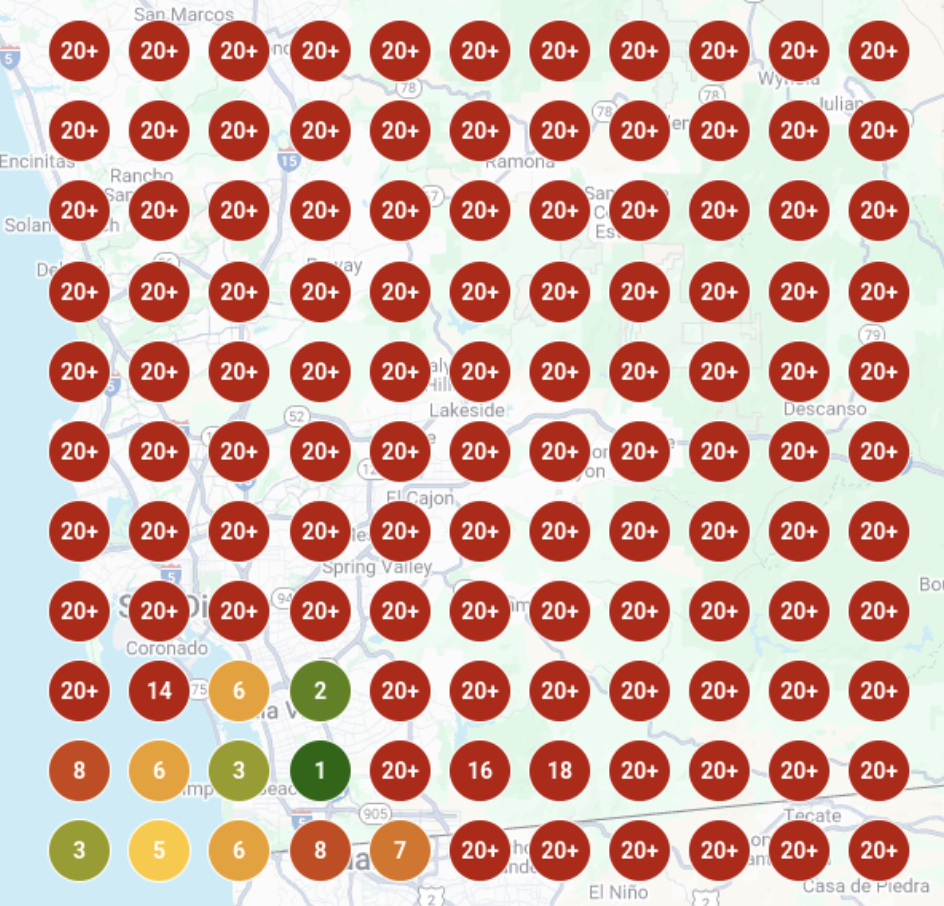
This is a local electrician in Chula Vista who came to us frustrated. They were:
Getting few calls, even though their services were solid
🔍 Step-by-Step Breakdown of What We Did
✅ Audit:
We used SEO NEO and Local Falcon to check:
✅ Optimization:
Used CTR to drive engagement and branded searches
📈 The Result (In 30 Days)
❌ Before
✅ After
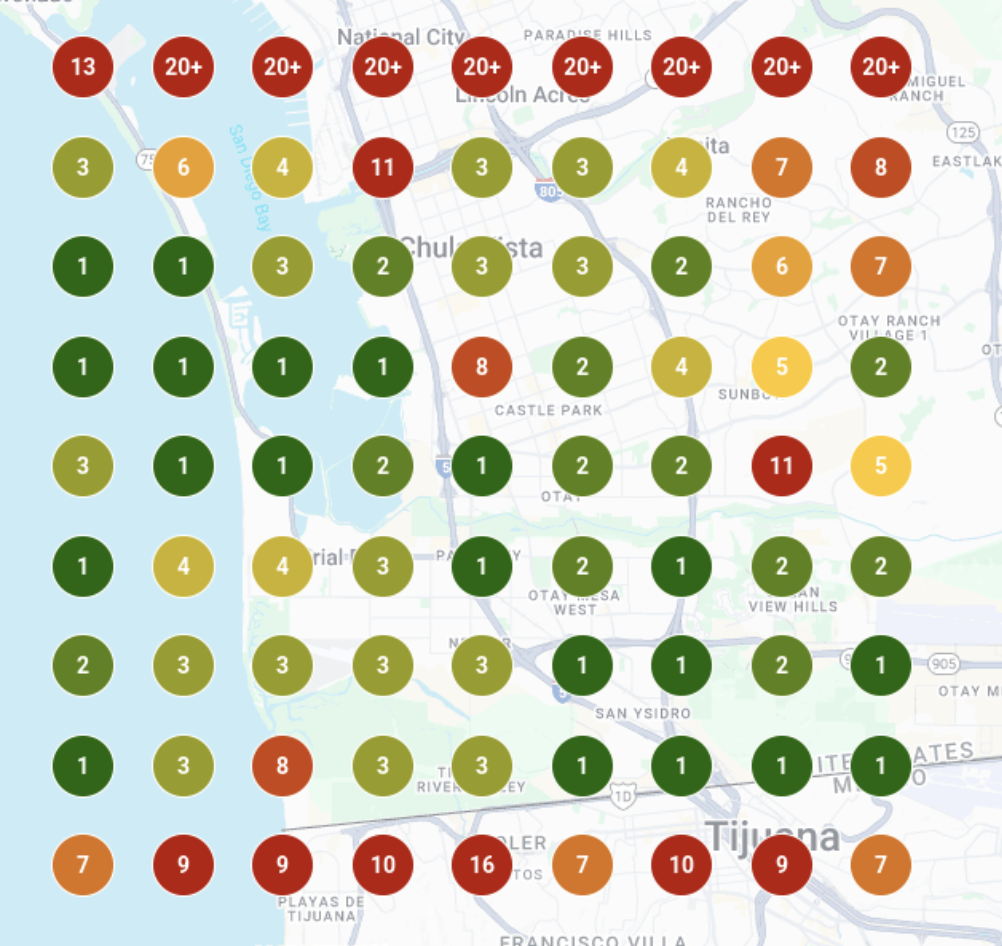
💡 And all of this was done without paid ads.
💡 Key Takeaway:
You don’t need to outspend your competitors — you just need to out-optimize them.
Local SEO is a system. When all the parts align — GBP, website, citations, reviews, and engagement — you build a local presence Google rewards.
Conclusion
The Map Pack is where the highest-quality local leads are — and now you know how to get there without spending a cent on ads.
If you’ve made it this far, you’re ahead of most business owners already.
But if you want expert help implementing this strategy (or just want to skip the learning curve), we’ve got your back.
👉 Book a Free Strategy Call Here

